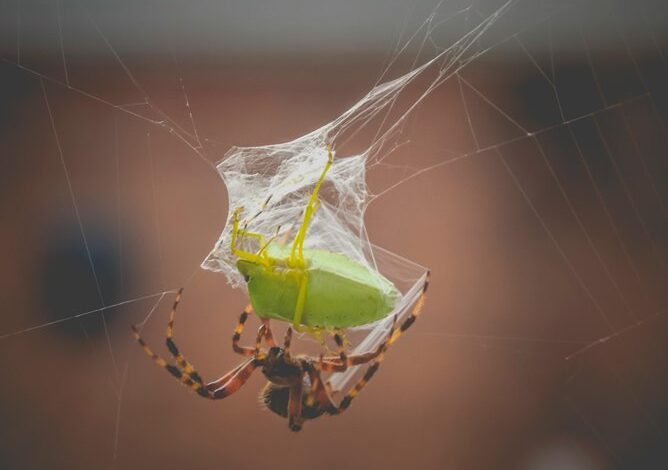
The Brazilian wandering spider, known scientifically as Phoneutria spp., is often cited as the world’s most dangerous spider. Its venom is highly neurotoxic, capable of inducing severe physiological reactions in humans. This spider’s aggressive disposition and preference for densely vegetated habitats increase the likelihood of encounters with people. Understanding its behavior, habitat, and the implications of its venom is crucial for risk mitigation. What steps can be taken to minimize the threat posed by this formidable arachnid?
Behavior and Aggression
Although many spiders are reclusive and non-aggressive, certain species exhibit distinctly aggressive behaviors, particularly when threatened or provoked.
These spiders often engage in aggressive encounters to defend their territory. Territorial behavior is crucial for survival, as it ensures access to resources and mates.


Understanding these dynamics sheds light on their ecological role and the evolutionary pressures shaping such assertive instincts.
Habitat and Distribution
The habitat and distribution of dangerous spider species are closely linked to their behavioral tendencies, particularly their territorial aggression.
These species exhibit specific habitat preferences, often thriving in environments that offer ample shelter and prey. Their geographical range varies significantly, with some preferring tropical climates while others inhabit temperate zones, thereby influencing their interactions with ecosystems and human populations.
Venom and Medical Implications
How does the venom of dangerous spider species impact human health?
The neurotoxic effects of such venoms can lead to severe physiological disruptions, including paralysis and systemic reactions.
Antivenom research is critical for developing effective treatments, aiming to neutralize these toxins and mitigate damage.
Understanding venom composition not only aids in clinical applications but also enriches the field of toxinology, ultimately enhancing medical responses to bites.
Prevention and First Aid
Understanding the neurotoxic effects of dangerous spider venoms underscores the importance of effective prevention and first aid measures.
Implementing rigorous hygiene practices, such as maintaining clean environments and avoiding spider habitats, significantly reduces risks.
In case of a bite, prompt emergency response is crucial; immobilizing the affected area and seeking medical attention can mitigate severe complications associated with venom exposure, ensuring a better outcome for victims.
Conclusion
In summary, the Brazilian wandering spider epitomizes nature’s duality, reminiscent of the fabled Medusa—beautiful yet lethal. Its aggressive demeanor and potent venom underscore the necessity for vigilance in tropical environments where it resides. Understanding its behavior, habitat, and medical implications is crucial for mitigating risks associated with encounters. As with any formidable creature, knowledge serves as the most effective armor against the perils it presents, allowing for coexistence rather than conflict in the intricate web of life.