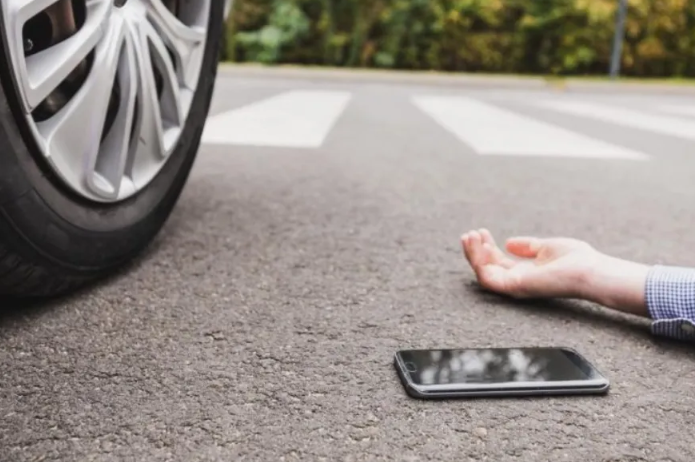
You might still replay the moment over and over in your mind. One second you were walking, crossing, or just standing at the edge of the street. The next second there was a screech of brakes, a hard impact, and then confusion, pain, and fear. Since then, you may be juggling medical appointments, missed work, and insurance calls, while also trying to make sense of why this happened and what you are supposed to do next, including looking for pedestrian accident information from Brian Boyer Injury Firm.
If you are feeling overwhelmed, angry, or even guilty for “not seeing it coming,” that reaction is very human. Pedestrian crashes are sudden. They shatter routines and they leave people with questions about fault, money, and healing. You might be wondering whether you did something wrong, whether you can afford treatment, or whether anyone will truly understand what you are going through.
Here is the simple overview. Most pedestrian accidents are not “freak events.” They usually grow out of patterns like speeding, distraction, poor visibility, and unsafe road design. Understanding how these collisions happen can help you see that you are not to blame. From there, you can start focusing on recovery, which often includes medical care, emotional support, and legal help through a personal injury claim.


What really causes most pedestrian accidents?
It can be tempting to think your crash was a unique, unlucky event. In reality, certain behaviors and conditions show up again and again in pedestrian injury cases. Recognizing them can bring some clarity to a very chaotic experience.
According to public safety agencies, many serious crashes happen at night, on busy roads, and often involve higher speeds. The Centers for Disease Control and Prevention share that thousands of pedestrians are killed each year and many more are injured, with children and older adults often at higher risk. You can read more about those patterns in the CDC’s pedestrian safety overview.
So what tends to cause these collisions in everyday life?
Driver distraction. Phones, touchscreens, GPS devices, and even conversations can pull a driver’s eyes off the road for a few seconds. That is often all it takes to miss a person in a crosswalk or stepping off a curb. A driver might say “you came out of nowhere,” when in reality they were simply not looking.
Speeding and aggressive driving. Higher speeds mean less time to react and more severe injuries when a crash does happen. Even going “just a bit” over the limit can turn a survivable impact into a life changing one. Many pedestrian accidents at intersections or on multi lane roads involve drivers who are in a hurry, rushing a light, or trying to beat traffic.
Failure to yield at crosswalks and intersections. Drivers are supposed to watch for people in marked and unmarked crosswalks. In practice, many roll through turns, focus only on oncoming cars, or assume pedestrians will stop for them. This is a common pattern in right turn and left turn crashes.
Impaired driving. Alcohol or drug use affects reaction time, vision, and judgment. A driver who is even slightly impaired may misjudge distance, ignore signals, or drift into areas where people are walking.
Poor visibility and unsafe road design. Some streets are simply not built with people in mind. Faded crosswalks, missing sidewalks, dark lighting, and long distances between safe crossing points all increase risk. The National Highway Traffic Safety Administration explains how these factors show up in serious crashes in its guidance on pedestrian safety.
Because of all this, you might wonder where responsibility really lies. Is it just on the driver, or do design and enforcement play a part too?
See also: The Ultimate Guide to Haha Spin: Exploring the Most Popular Online Casino Bonuses
Why the impact is more than physical pain
After a pedestrian injury accident, the visible bruises and broken bones are only part of the story. There is often a second layer of harm that shows up quietly over days and weeks.
On the emotional side, many people experience anxiety around traffic, trouble sleeping, or flashbacks of the collision. You might feel jumpy crossing a street that you once used without a second thought. Some people carry guilt, even when they did nothing wrong, simply because they “survived” or feel they should have done something differently.
Financial stress can build just as quickly. Medical bills arrive. Paychecks shrink or stop if you cannot work. A car might be damaged if you were near a vehicle, and you may need help with childcare or household tasks while you heal. Insurance companies often call early and push for quick statements or low settlements. It can feel like you are expected to be your own adjuster, doctor, and advocate, all while you are still in pain.
Legally, things are rarely simple. Fault may be disputed. A driver might claim you were “outside the crosswalk” or “not visible” even when the law protects you. There can be multiple insurance policies, tight deadlines, and confusing terms. This is where a personal injury lawyer often becomes important. The law is one of the main tools you have to shift the financial burden from you to the person or entity that caused the harm.
So where does that leave you today, especially if you are unsure whether to handle things alone or reach out for help?
Should you handle a pedestrian accident claim on your own?
Some people try to work directly with the insurance company. Others contact a personal injury attorney early and let them handle the process. Both paths have tradeoffs. The choice depends on how serious your injuries are, how clear the fault is, and how comfortable you feel dealing with adjusters.
| Approach | When it seems appealing | Key risks or downsides | When legal help is usually better |
|---|---|---|---|
| Handling the claim yourself | Minor injuries, small bills, you feel confident speaking with insurers. | May underestimate long term medical needs. Risk of saying something that hurts your claim. Hard to know the fair value of pain, lost income, and future care. | Only if injuries truly resolve quickly, and you have no ongoing symptoms or lost work after a short time. |
| Working with a personal injury lawyer | Serious injuries, surgery, hospital stay, or extended time off work. Liability is disputed or unclear. | You share a portion of the recovery as a fee. You need to share information and stay engaged in the process. | When injuries are moderate to severe, fault is questioned, or there are multiple insurers or high medical costs. |
Transportation safety programs, such as the Federal Highway Administration’s Safe Transportation for Every Pedestrian initiative, show how common and preventable these crashes can be. They focus on better crosswalks, road design, and enforcement, which you can read about through the FHWA’s STEP pedestrian safety program. While those efforts aim to protect future walkers, they also highlight a key truth for you now. Many collisions result from choices and conditions outside the pedestrian’s control. That matters deeply when you seek compensation.
What steps can you take right now to protect your recovery?
You do not have to have everything figured out today. Focusing on a few clear steps can make a real difference, both for your health and for any future claim.
1. Get thorough medical evaluation and follow up
Even if you were released from the emergency room, it is important to see your own doctor or a specialist. Some injuries, including concussions, soft tissue damage, and internal injuries, may not be obvious right away. Tell your provider exactly how the crash happened and where you hurt, even if the pain feels “minor” today. Follow the treatment plan and keep copies of records, prescriptions, and imaging. These documents connect your injuries directly to the collision.
2. Preserve evidence while details are still fresh
Memories fade quickly. Write down your own account of what happened, including the time, location, weather, traffic signals, and anything the driver or witnesses said. Keep photos of the scene, your injuries, damaged clothing or belongings, and any vehicle damage if available. Save contact information for witnesses and the driver, along with the police report number. Store everything in one place, whether that is a folder or a digital file, so it is easy to share with medical providers or a lawyer.
3. Be cautious with insurance conversations and early offers
Insurance adjusters often sound friendly and may ask to record your statement or “wrap things up quickly.” You are allowed to take your time. You can decline a recorded statement or say you will respond in writing. Avoid guessing about your injuries, your speed, or your visibility. If you feel pressured or unsure, pause the conversation and consider speaking with a personal injury lawyer first. Once you accept a settlement, it is usually final, even if new medical problems arise later.
Moving forward after a pedestrian accident
Right now, it may feel as if your life has been split into “before the crash” and “after the crash.” That feeling is real, and it will take time for your body and mind to catch up with everything that has happened. You do not have to go through it alone, and you are allowed to ask for help, whether that is from family, medical providers, counselors, or legal professionals.
Understanding the common causes of pedestrian collisions can help you release some of the blame you might be placing on yourself. From there, focusing on your medical care, protecting your rights, and getting trustworthy guidance can give you a clearer path toward healing and financial recovery. You deserve the space to recover, and you deserve to have the costs of someone else’s choices placed where they belong.