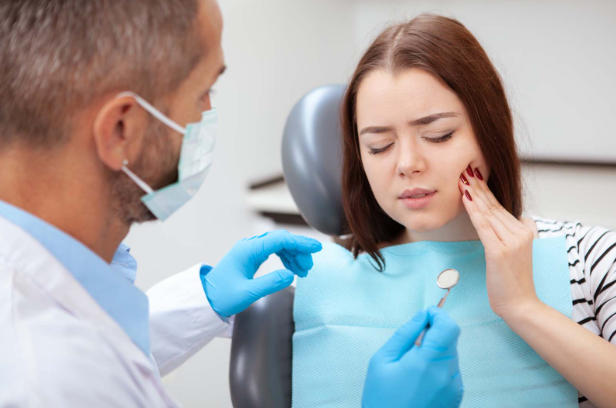
Your teeth and gums carry the weight of your daily life. In Colorado, cold air, dry climate, and busy schedules often turn small dental issues into painful problems. You might notice bleeding when you brush, sharp pain with cold drinks, or a dull ache that will not go away. You may also see stains, worn edges, or a bad taste that lingers. These are not minor annoyances. They are early warnings that your mouth needs care. This blog explains the common dental problems seen in Colorado patients and what they mean for your health. It also points you to trusted help, including local support such as https://www.suncreekdental.com/areas-we-serve/ken-caryl/. You deserve clear answers. You also deserve a plan that fits your life, your budget, and your fear level. You can start by learning what is happening in your mouth and what to do next.
Why Colorado Mouths Need Extra Attention
Colorado life is hard on teeth. Dry air pulls moisture from your mouth. Cold winters trigger tooth pain. Outdoor sports increase the risk of chipped or broken teeth. Travel and long workdays make it easy to skip cleanings.
These pressures add up. You may think your mouth is fine because you do not feel strong pain. Yet early damage often feels small or feels like nothing at all. That quiet damage can grow fast.

Common Dental Problems We See Often
You are not alone if you face one or more of these issues. These problems show up again and again in Colorado patients.
1. Cavities That Start Small Then Spread
- White or brown spots on teeth
- Sensitivity to sweets or cold air
- Food sticking in the same place
First, a cavity may only affect enamel. At that point, care is simple. If you wait, decay can reach the inner nerve. Then you face strong pain, infection, or tooth loss. The Centers for Disease Control and Prevention explains that tooth decay remains common in both children and adults. You can read more at the CDC oral health page here https://www.cdc.gov/oralhealth/fast-facts/index.html.
2. Gum Disease Made Worse By Dry Climate
- Bleeding when you brush or floss
- Red, swollen, or tender gums
- Bad breath that does not improve with brushing
Dry mouth makes it easier for plaque to cling to teeth along the gumline. First, gums bleed. Next, they may pull away from teeth. Over time, bone can break down. That loss can lead to loose teeth and tooth loss. The National Institute of Dental and Craniofacial Research gives plain language facts on gum disease at https://www.nidcr.nih.gov/health-info/gum-disease/more-info.
3. Tooth Sensitivity From Cold, Grinding, Or Erosion
- Quick sharp pain with cold air or drinks
- Pain when brushing near the gumline
- Teeth that look thinner or shorter over time
Colorado winters can trigger pain in worn teeth. Grinding at night or during stress can wear away enamel. Acid from reflux or sports drinks can also erode surfaces. Then the inner layer of the tooth is exposed and reacts to temperature and touch.
4. Cracks, Chips, And Sports Injuries
- Small fractures that catch your fingernail
- Broken corners on front or back teeth
- Teeth that feel sore after a hit to the mouth
Mountain biking, skiing, snowboarding, and contact sports bring joy and risk. One fall or elbow can crack a tooth. Minor chips still need care. A crack that reaches the nerve can lead to infection or tooth loss if you wait.
5. Stains And Color Changes
- Yellow or brown stains from coffee, tea, or tobacco
- White spots from early decay or past high fluoride
- Gray or dark teeth after injury or deep decay
Color changes are not only a cosmetic issue. They can show deeper problems like dead nerves or long term decay. A dentist can sort out which stains are only surface and which signal disease.
See also: Organic Dextrose Powder: The Clean, Fast-Acting Fuel for Health-Conscious Innovation
6. Dry Mouth At High Altitude
- Sticky feeling in the mouth
- Trouble chewing or swallowing dry foods
- Cracked lips or tongue soreness
High altitude, mouth breathing, some medicines, and aging all reduce saliva. Saliva protects teeth. Without it, risk for cavities, gum disease, and bad breath rises fast.
Quick Comparison Of Common Problems
| Problem | Early Warning Sign | Risk If You Wait | Typical Next Step |
|---|---|---|---|
| Cavities | Sensitivity to sweets or cold | Infection and tooth loss | Exam, x rays, and filling |
| Gum disease | Bleeding gums | Bone loss and loose teeth | Deep cleaning and home care plan |
| Sensitivity | Quick pain with cold air | Cracks or wear that worsen | Check bite, protect enamel |
| Cracks and chips | Rough or sharp tooth edges | Breaks that reach the nerve | Bonding, crown, or other repair |
| Dry mouth | Sticky mouth and thick saliva | Fast growing decay | Moisture support and product advice |
When You Should Call A Dentist Right Away
You should not wait if you notice any of these three signs.
- Pain that wakes you from sleep or needs pain medicine to manage
- Swelling in your face or jaw or trouble opening your mouth
- Fever along with tooth pain or gum swelling
These can point to infection. Mouth infections can spread and affect your whole body. Quick care protects your health and can save your tooth.
Simple Daily Steps That Matter
You protect your mouth most through small daily actions. You can focus on three habits.
- Brush two times each day with fluoride toothpaste
- Clean between teeth every day with floss or other tools
- See a dentist at least once a year or more if advised
Next, limit drinks with sugar or acid. Drink plain water often. If you use a mouthguard for sports or teeth grinding, clean it daily.
Finding Help That Fits Your Life
You may feel nervous, ashamed, or tired of dental visits. That reaction is common. You still deserve care that feels safe and clear. Many offices in Colorado understand fear and work to reduce it through simple words, slow steps, and clear choices.
If you live near Ken Caryl or nearby communities, you can explore local options such as https://www.suncreekdental.com/areas-we-serve/ken-caryl/ to find support close to home. You do not need a perfect mouth to start. You only need a first visit. From there, you and your dentist can build a step by step plan that fits your health, your time, and your limits.