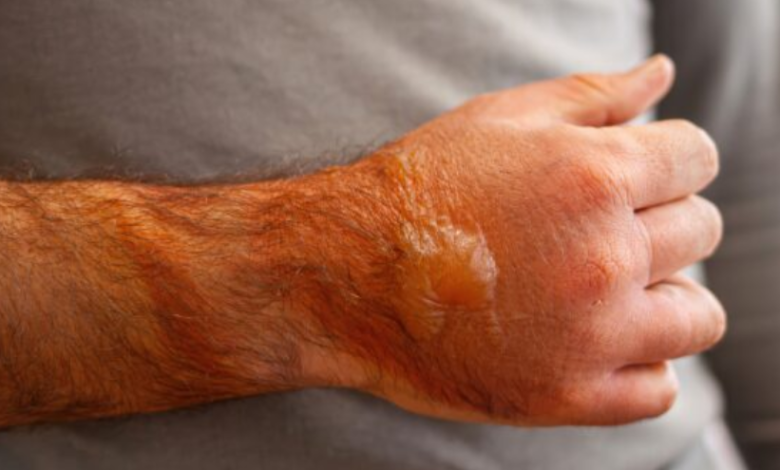
A sudden burn can tear through your life without warning. A house fire. A workplace accident. A scalding liquid. In seconds, your skin, nerves, and sense of safety change. This blog explains what happens next and what you can do about it. You will learn how burns are classified, what treatment you may need, and how to protect your long term health. You will also see how medical care, emotional support, and legal help can work together. Some people face long hospital stays. Others struggle with pain, sleep, and fear. Many cannot return to work right away. These are not small problems. They affect your body, your income, and your dignity. If someone else caused your burn, you may need burn injury attorneys to help you seek justice and pay for care. You do not have to walk this path alone.
Common causes of burn injuries
You can suffer a burn in almost any place you live, work, or travel. Many injuries come from three sources. Heat. Chemicals. Electricity.
- Home fires from cooking, heaters, or smoking
- Work incidents from hot machinery or steam
- Scalds from hot water, coffee, or soup
- Chemical burns from cleaners or industrial products
- Electrical burns from faulty wiring or tools
Children and older adults face higher risk. So do workers who handle hot surfaces or chemicals each day.


See also: Organic Dextrose Powder: The Clean, Fast-Acting Fuel for Health-Conscious Innovation
Types of burns and what they mean
Doctors sort burns by depth. This helps guide care and recovery time.
| Burn type | Skin depth | Common signs | Typical healing time |
|---|---|---|---|
| First degree | Top layer only | Red, dry, painful, no blisters | About 3 to 6 days |
| Second degree | Top and lower layer | Blisters, wet, swollen, painful | About 2 to 3 weeks |
| Third degree | All layers and tissue | White, brown, or black, may feel numb | Needs surgery or grafts |
You might have mixed depth burns in one spot. You still deserve clear answers about each part of your injury.
First steps after a burn
Your first actions can limit harm. They can also protect your future health.
- Remove the heat source or move away from danger
- Cool the burn with cool running water for 20 minutes
- Take off loose clothing and jewelry near the burn if they do not stick
- Cover the burn with a clean, loose cloth or non stick dressing
You should avoid ice, butter, oils, or home creams. These can cause more tissue damage. You must seek emergency care if the burn is large, deep, on the face, hands, feet, groin, or over a joint. You also need urgent help for electrical or chemical burns.
You can read clear first aid steps from the Centers for Disease Control and Prevention at https://www.cdc.gov/disasters/burns.html.
Medical treatment and hospital care
Care depends on burn depth and size. You may receive:
- Cleaning and removal of dead tissue
- Dressings that keep skin moist and clean
- Pain control and infection checks
- Skin grafts for deeper burns
Some people need care in a burn center. A burn center team often includes doctors, nurses, therapists, and counselors. Each one focuses on a part of your healing. You can find guidance on burn center care from the American Burn Association at https://ameriburn.org/public-resources/.
Physical recovery and daily life
Healing does not end when the wound closes. Your body still works to repair itself. You may face:
- Stiff joints that limit movement
- Thick scars that tighten skin
- Itching and ongoing pain
Therapists can help you stretch, strengthen, and protect burned skin. You might wear pressure garments to shape scars. You may also learn new ways to dress, bathe, or work with limited movement. Small gains each week can build real strength.
Emotional and family impact
Burns touch more than your body. They can shake your sense of safety and trust. You may feel anger, shame, or grief. You might avoid mirrors or social events. Family members may feel fear, guilt, or strain.
You help yourself when you:
- Talk openly with your care team about mood and sleep
- Ask for counseling or support groups
- Explain your needs to family in simple, clear words
Children need special care. They may act out, withdraw, or cling. Simple routines, honest words, and patient support can steady them.
Work, money, and legal choices
Burns often bring sudden costs. Hospital bills. Lost wages. Travel for treatment. You may also need home changes or long term therapy.
If another person or company caused your injury, you might have legal rights. You may seek payment for medical care, lost income, and pain. You may also push for safer products or workplaces so others stay safe. You can talk with burn injury attorneys about these choices. You control how far you want to go. No one else decides that path for you.
Protecting yourself and your family
You cannot prevent every accident. You can still lower risk in three key ways.
- Check smoke alarms each month. Plan two escape routes from each room.
- Set water heater temperature to 120 degrees Fahrenheit or lower.
- Store cleaners and chemicals locked and out of reach of children.
You can also teach children to stay away from stoves, hot drinks, and cords. You can use back burners and turn pot handles inward.
Moving forward after a burn
A burn injury can feel like a sharp break in your life story. You may not return to how things were. You can still build a steady, meaningful life. You can seek strong medical care. You can lean on family and counselors. You can use legal support when someone else caused your pain.
You deserve clear facts, honest options, and steady support. One careful step at a time, you can move through this injury and reclaim your days.